
Hamilton County Directory Collections
Hamilton County city directories are strongest when the researcher first separates Cincinnati proper from county, Norwood, suburban, and specialized volumes. The Cincinnati run begins with a known 1819 volume. The Cincinnati & Hamilton County Public Library, or CHPL, presents digitized material through 1953, while the Hamilton County Genealogical Society, or HCGS, supplies the more precise held-year detail. Those descriptions do not support treating the run as unbroken. The collection has gaps, including no listed Cincinnati volumes for 1852 or 1854.
| Directory collection | Verified span or runs | Holder | How to consult it |
|---|---|---|---|
| Cincinnati City Directories | 1819 to 1953 digitized coverage, not continuous | CHPL Digital Library and Main Library | Free digitized collection, browse, search, or download |
| Hamilton County directories | 1887 to 1912 selected runs; 1915; 1939 to 1940; later 1942 to 1964 holdings | CHPL and Cincinnati History Library & Archives | Check the listed volume and repository |
| Norwood directories | 1896, 1902, and listed runs from 1909 to 1938; CHPL holds 1954 | CHPL and HCGS guide | Use the local run that matches the municipality |
| Specialized Cincinnati volumes | Business, medical, musical, river-worker, builder, and illustrated runs | HCGS guide and historical repositories | Use only for the role or trade each volume indexes |
The exact title matters. An alphabetic Cincinnati volume answers a name-to-address question differently from a county-outside-Cincinnati list or a classified business directory. Verify the volume, year, and place before joining records from them.
Hamilton County Digitized Volumes
The public CHPL City & County Directories collection is the main online shelf for historical Hamilton County directory work. Its advanced search accepts a term and permits field, search-mode, date, collection, facet, and sort choices. A search result may be a useful lead, but the library cautions that OCR is not always accurate. Read the page image before copying a name, initial, address, or abbreviation into a family record.
The digitized Cincinnati directory collection provides the scanned source used for this Hamilton County city directory search.
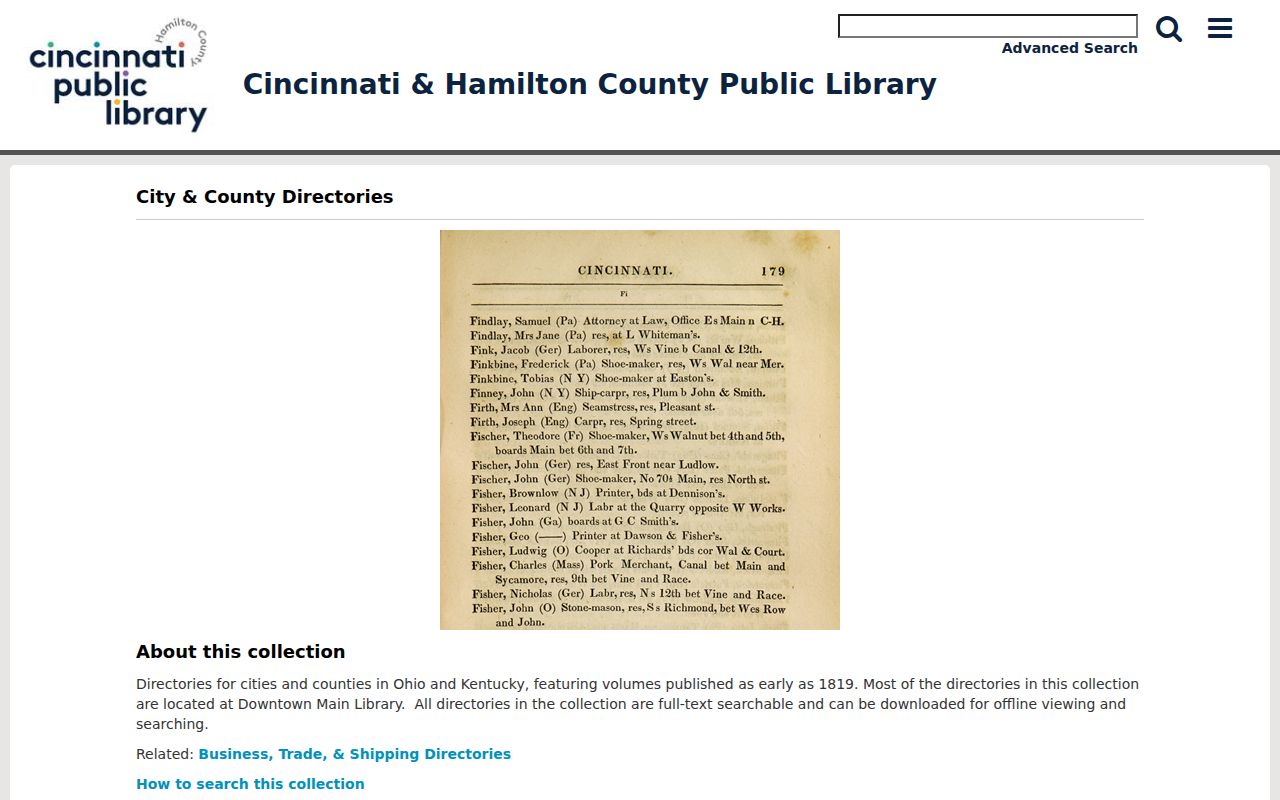
A browser hit helps locate a volume, while the image keeps the printed form and neighboring entries available for review.
Reading a Hamilton County Directory Entry
A Hamilton County city directory entry is evidence of a printed listing at a particular time. It is not a modern identity profile and it does not prove ownership. The 1819 Cincinnati directory expressly describes names, professions or occupations, building numbers, public institutions, and statistics. Later directories can organize private citizens and businesses alphabetically, then put householders, office occupants, street guides, buyers' guides, and classified material in separate parts. Record the entry as printed before trying to expand it.
| Name field | Surname, given name, or initials, often enough to distinguish a nearby same-name listing. |
|---|---|
| Address | Street number and street name in an alphabetic listing, or the ordered address and listed person in an address-first portion. |
| Occupation detail | Where printed, an occupation or profession gives a time-specific way to separate people with similar names. |
| Spouse or household clue | HCGS reports that a householder's wife first appears in the Cincinnati directories in 1938. Read the volume's conventions before interpreting it. |
| Ownership symbol | HCGS identifies a County ownership symbol beginning in 1940. Check that volume's key rather than assuming a symbol's meaning. |
- Criss-Cross directory
- An address-first arrangement that lists a street alphabetically and then addresses in order, useful for locating the listed householder or business at a known address.
- Householder directory
- An address arrangement in which each address has a householder or business. HCGS dates this Cincinnati feature to 1923.
- Abbreviation key
- The volume's own explanation of its shortened forms and symbols. Capture it with the entry because notation can change across years.
Note: Keep a transcription separate from an interpretation so an uncertain initial or mark can be checked against the original page later.
Hamilton County Listings by Address
Address-first research has a clear local starting point. HCGS identifies 1829 as the first street-directory year, and says house numbering begins in 1853, with even numbers east or north and odd numbers west or south. CHPL's house-history research says Pink Pages begin in 1925. Those pages order a street alphabetically and then show each address in sequence. By 1941, the title became Criss-Cross Directory.
The CHPL House History research path joins directories with deeds, census schedules, historic maps, local indexes, and photographs.
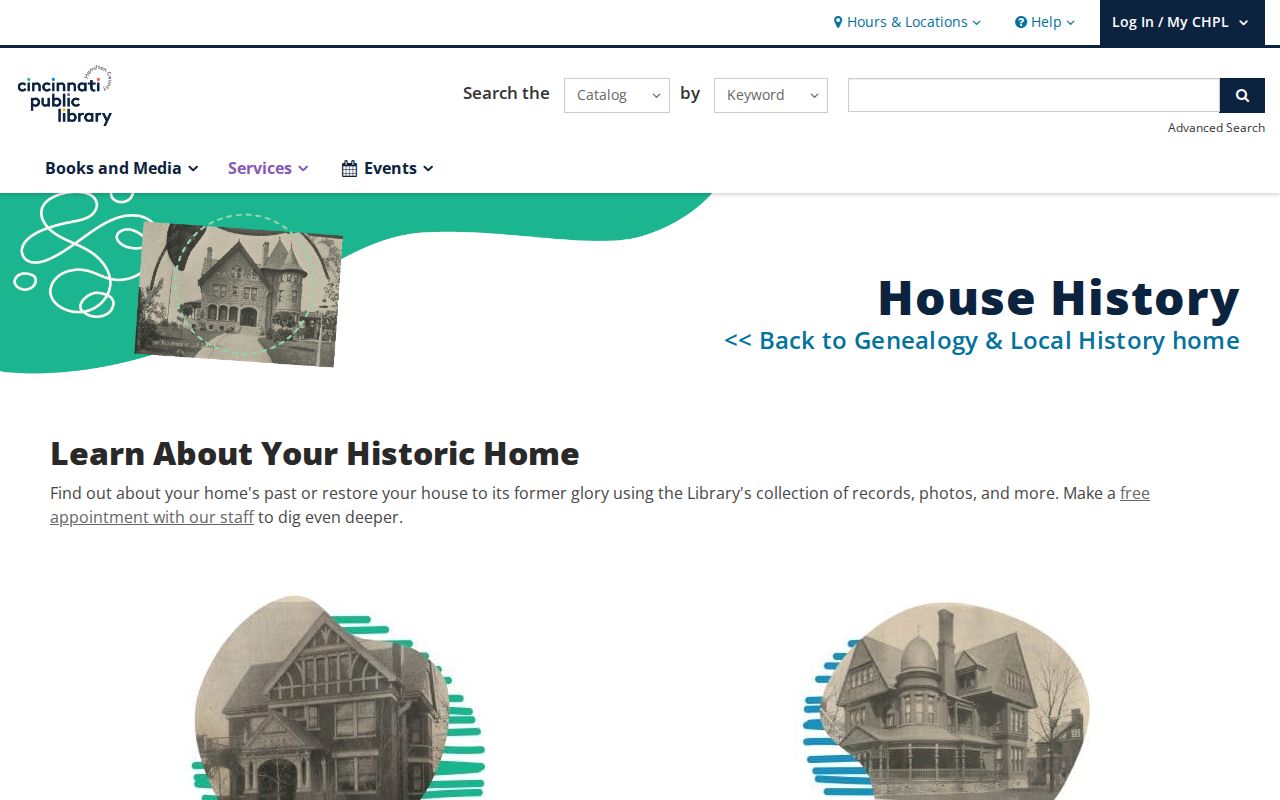
That address-first method can identify a listed household or business without turning the historical volume into a current resident record.
Hamilton County Directory Timeline
Directory form changed over time, so the right search technique changes too. The following dates are navigation points drawn from the local directory guides, not a claim that every relevant volume survives online.
- 1819: First known Cincinnati city directory volume.
- 1829: First street-directory year noted by HCGS.
- 1853: House numbering begins under the system HCGS describes.
- 1923: Householder directory begins, with an entry for each address's listed householder or business.
- 1925 and 1941: Pink Pages begin, then the address-first title changes to Criss-Cross Directory.
The HCGS directory guide is the useful check on Cincinnati, county, Norwood, suburban, and specialty directory runs.
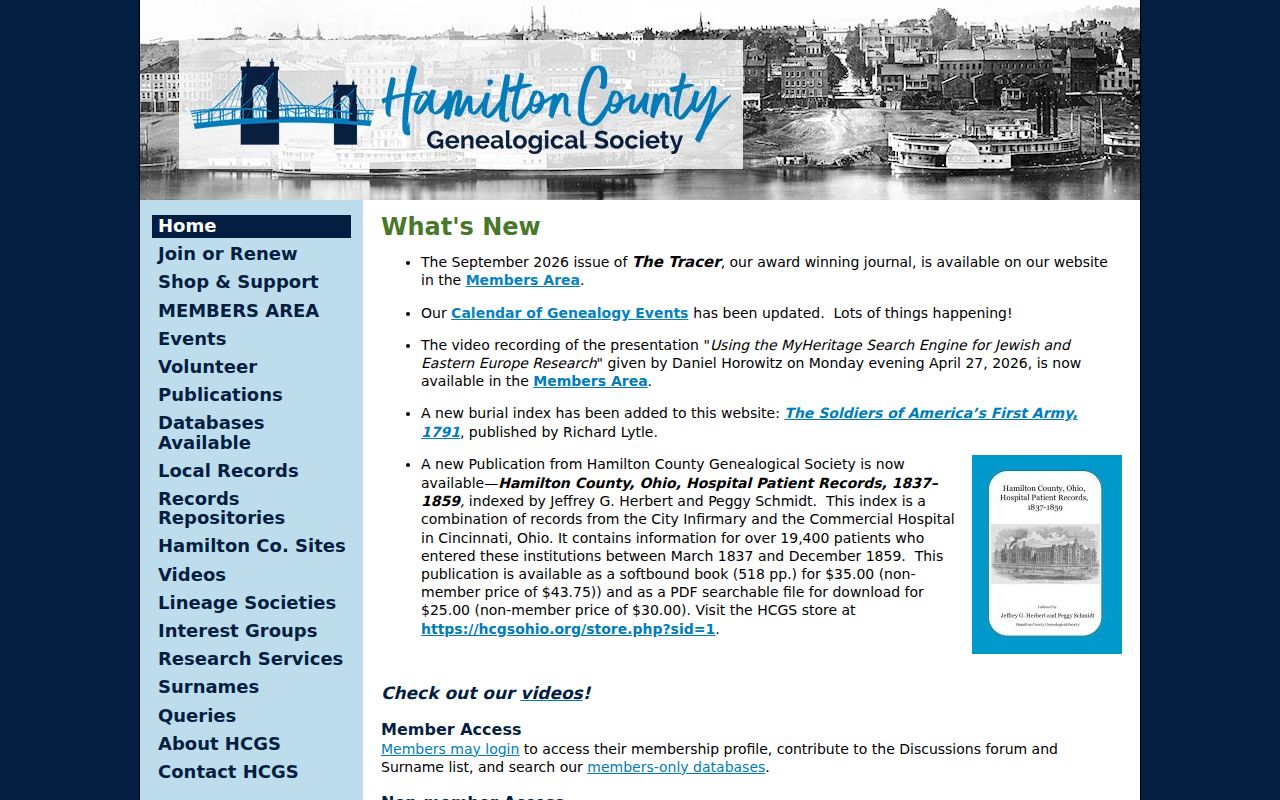
Use its year-by-year list to find a real gap before assuming an absent person was omitted from a volume that did not exist.
Hamilton County Number Changes
Most Cincinnati street numbers changed in 1895, which can break an otherwise careful city directory search. CHPL presents the change as a 1895 issue. HCGS adds a more specific distinction: business numbers changed in 1895 and residence numbers in 1896. Those statements should not be flattened into one invented rule. Use the source year and map evidence for the address under study.
For a name or building that crosses the transition, compare the 1891 Sanborn maps, which preserve old numbers, with maps from 1904 forward, which use new numbers. The Recorder's historic materials also include a 1913 Cincinnati Street Index. Twelve German street names changed during World War I, another reason to retain the exact printed street name in notes.
Research tip. A failed address search near the numbering transition may be a conversion problem, not evidence that the person or building vanished from the Hamilton County city directory.
Trace Hamilton County Directory Households
For family history, start with the correct municipal segment, then connect dated directory entries rather than skipping across decades. A city directory can establish a listed address or occupation in a given year. Federal census schedules, now public through 1950, add household relationships, birthplace, and other context not supplied by the directory. Deed and transfer research addresses a separate question about the parcel and should not be substituted for a household listing.
- Choose the Cincinnati, county-outside-Cincinnati, Norwood, suburban, or specialized volume that fits the place and year.
- Transcribe the name, address, abbreviations, and year exactly as printed.
- Check adjacent years, then use Pink Pages or Criss-Cross when an address needs an address-first lookup.
- Pair each dated listing with the appropriate census, ward map, Sanborn map, or Robinson atlas evidence.
- Confirm any property conclusion through the Auditor or Recorder legal-description and transfer trail.
An absence can reflect a move, a name variation, a changed boundary, a numbering change, or an incomplete publication. Keep those possibilities separate until a second dated source supports one of them. The collections themselves provide the deeper shelf context for an old address, while Hamilton County address records provide the current parcel route.
Hamilton County Archive Fallbacks
When a needed volume is not digitized, use the library and archival path instead of treating a web search as complete. CHPL Genealogy & Local History provides specialized reference assistance by email at research@chpl.org and by phone at 513-369-6909. Its resources include library-computer access at 41 branches, Newsdex for local-story and obituary citations, newspaper material, local-history indexes, Sanborn maps, and federal census access. These sources can test a directory lead without replacing the original printed listing.
CHPL's House History resources also identify its Ohio newspaper archive, which spans 1800 to 2019 and holds more than seven million newspapers, along with the Local History Index and Cincinnati Photo and Print File. Cincinnati History Library & Archives is free and open by appointment Thursday and Friday from noon to 4 p.m. at 1301 Western Ave., Suite 2133. Its local maps, newspapers, family histories, and architectural drawings can help explain a place name or building that appears in a historical listing.
The Cincinnati History Library & Archives manuscript collections include local books, maps, manuscripts, newspapers, photographs, published Hamilton County vital indexes, local and family histories, and architectural drawings.

Its appointment-based collections are a practical fallback for the map and manuscript evidence that can explain a directory address.
The University of Cincinnati Archives and Rare Books search guidance leads to another local-government repository route.
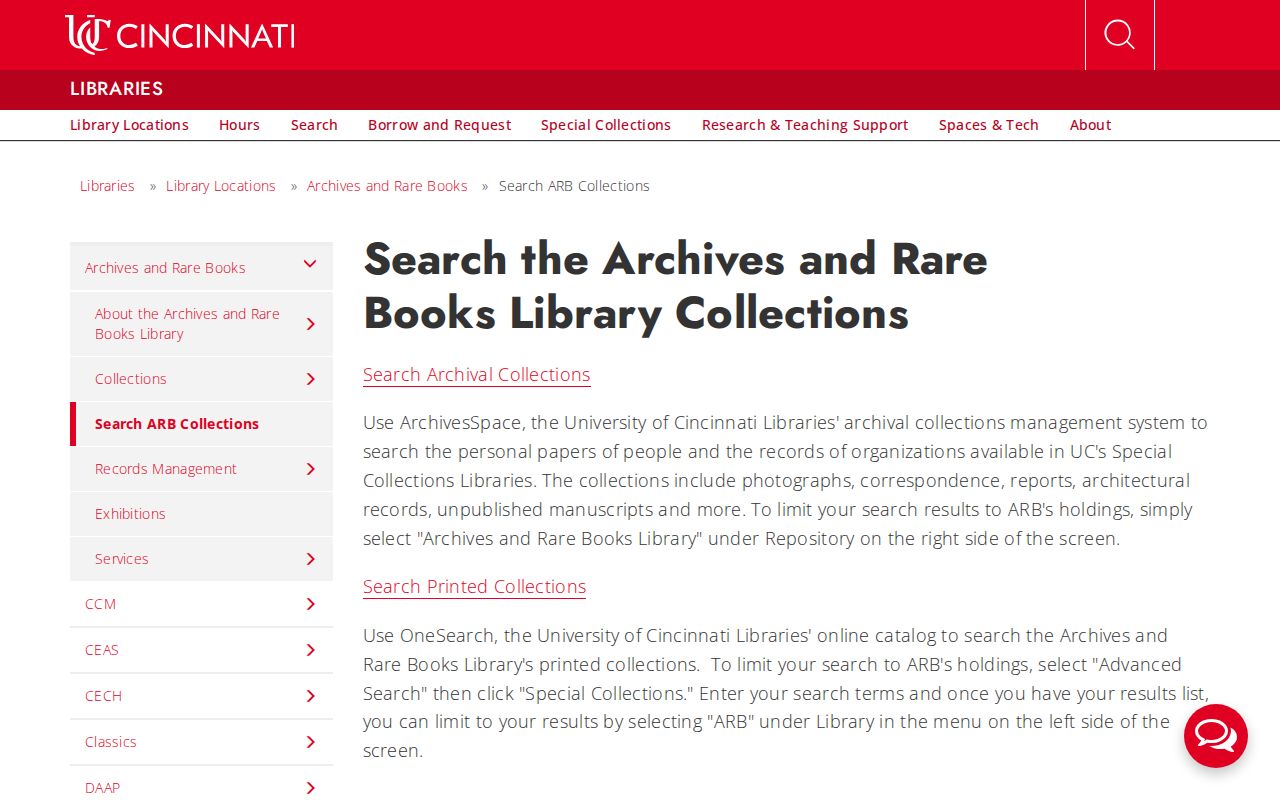
UC holds local-government material such as annexations, planning, engineer, and street-improvement records that can clarify why an old directory place name or street reference changed.
For municipal records that could not remain with the local government, UC is the designated repository for eight southwest Ohio counties. Its Cincinnati holdings include annexations from 1826 to 1957, Planning Commission records from 1922 to 1975, and engineer or street-improvement records from 1851 to 1957. That jurisdictional context can be as important as the printed directory line when a place or street later changed.